Choose your keynote speaker after you have decided what you want the room to do differently, not before. A great keynote isn’t about a famous name on the agenda. It’s about the energy, the mindset and the commitment people walk out with, and what they do differently on Monday morning. Most disappointing keynotes are not booked badly. They are briefed badly, or booked on a name rather than an outcome. Get the objective right, match the speaker to the slot, and ask the questions that separate a true professional from a well-known person. Do that, and the session will lift the energy, raise the bar and unlock the potential in your room.
Start with with what you want the room to do differently
Ask yourself one question: what must be different after this hour? Write the answer in one sentence before you shortlist anyone. Most conference keynotes are trying to do one of four things: lift the energy in a tired organisation, reset a room after a period of change, challenge people to think differently, or send them out with tools they will actually use on Monday.
These are not the same job, and a speaker who is exceptional at one can be perfectly ordinary at another. A brilliant storyteller will lift a room and leave nothing behind. A superb practitioner will hand over a framework and lose the back three rows. Decide which you need, then shortlist against it.
match the speaker to the slot, not just the theme
The slot matters as much as the topic, and almost nobody accounts for it. The opening speaker sets the tone and frames the day, so they need energy and the ability to make the agenda feel worth sitting through. The closing speaker has to pull the day’s threads together and send people out with something to act on.
The post-lunch slot is the one that catches organisers out. A thoughtful, cerebral speaker who would have been superb at 9am will die in a warm room at half two. That slot needs movement, interaction and pace. Energy is everything. Ask a speaker directly which slot suits their session best. A professional will have a firm opinion and may push back on where you have placed them.
what to ask before you book
Six questions will tell you almost everything. The first is the most revealing.
- What do you need from us to tailor this to our audience? Silence here means an off-the-shelf talk with your logo on the first slide.
- Which slot does your session work best in, and why?
- Can we watch you speak live, or see unedited footage in front of an audience like ours?
- Who else is on the bill, and how will you avoid covering the same ground?
- What is your plan if the AV fails or the room is set up differently than expected?
- Will you stay for the rest of the session and take questions afterwards?
The answers to the last two say more about a speaker’s professionalism than any bio. Anyone who has done thousands of hours in front of live audiences has a plan for a dead microphone, and treats the twenty minutes after the talk as part of the job.
HOW TO JUDGE WHETHER THEY CAN HOLD A ROOM
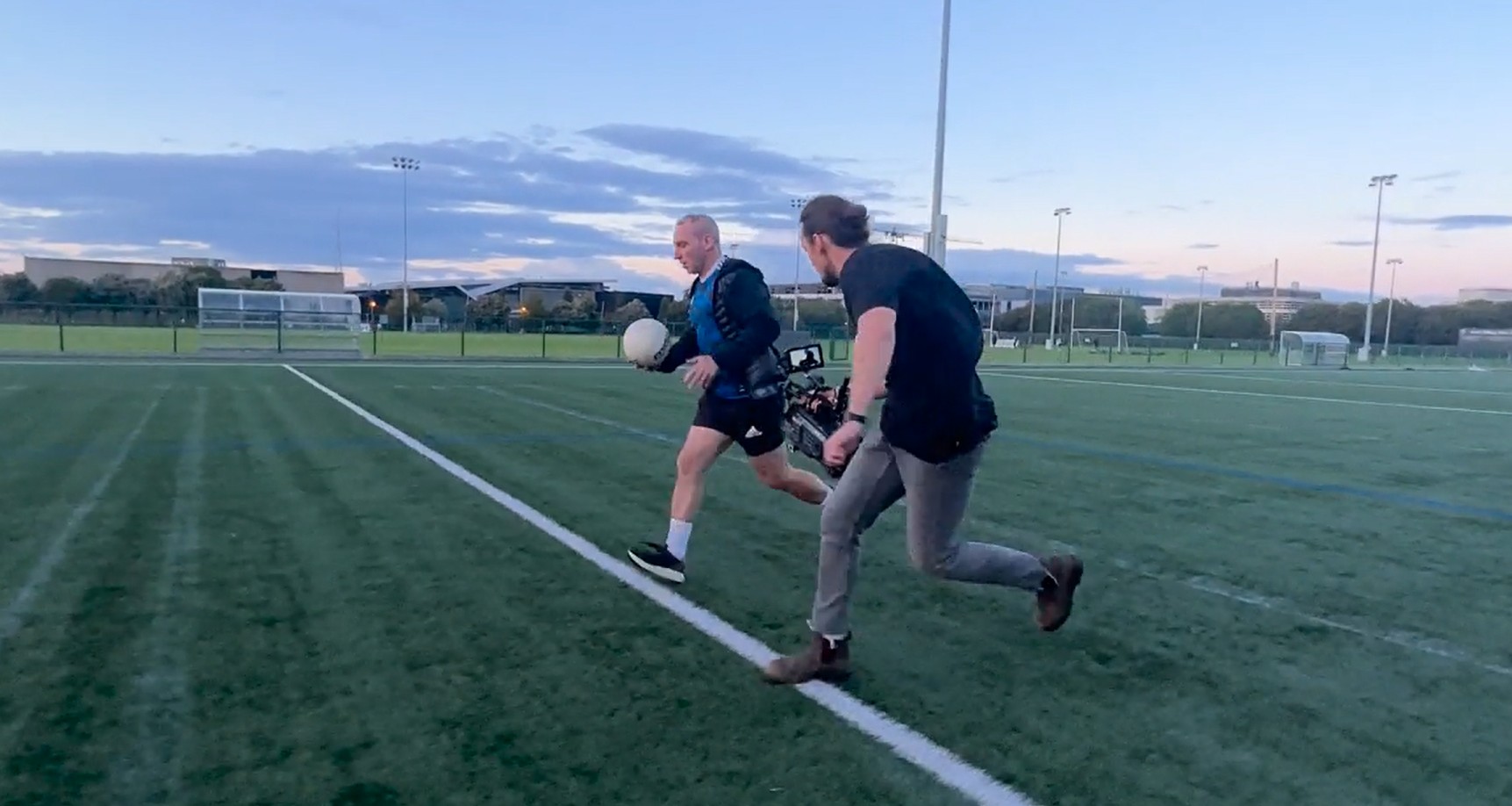
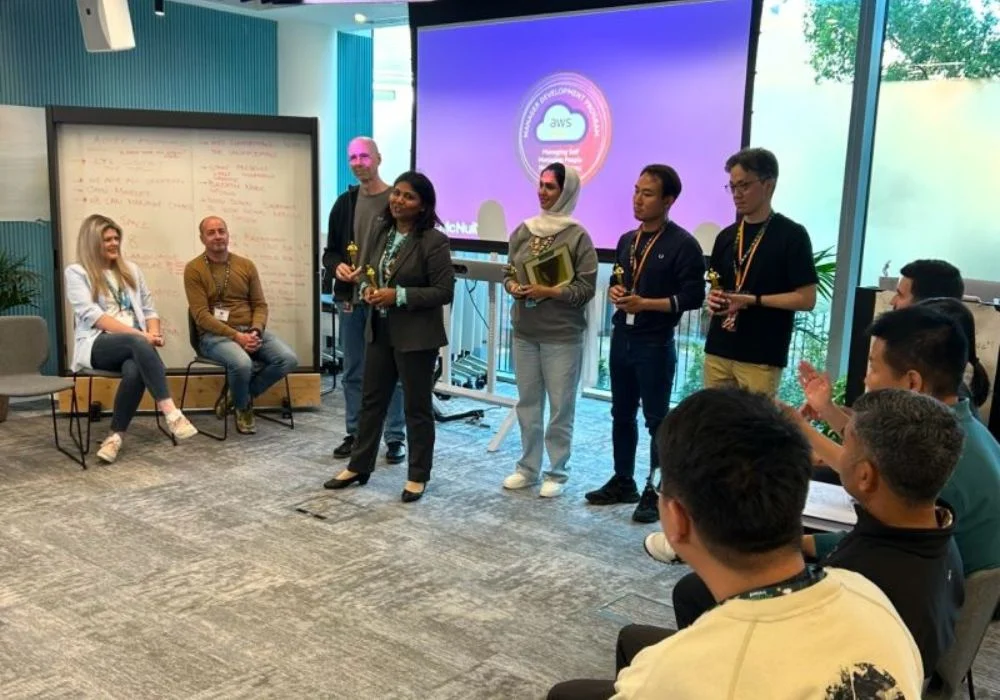
Showreels are edited to make everyone look excellent. Ask instead for ten unedited minutes in front of an audience comparable to yours, and ask for a reference from an event organiser rather than a client testimonial. Organisers will tell you about the things that matter to you. Did the speaker turn up early? Did they adapt when the schedule slipped? Were they easy to work with on the day? Real photography and footage from live events is a better signal than any polished sizzle reel, which is why it’s worth looking through a speaker’s events gallery before you commit.
what does a keynote speaker cost in ireland?
Fees vary widely with profile, session length, travel, and whether the keynote is delivered in person or online. Rather than comparing headline rates, ask every speaker for a full quote that includes travel, preparation time and anything wrapped around the talk, then compare like with like.
Check specifically what is included: pre-event calls, tailoring to your business, a facilitated Q&A, a workshop before or after, meet-and-greet time, or content the organisation can use afterwards. Two quotes that look far apart on paper are often much closer once you account for what each one actually covers. The genuinely expensive option is a cheap generic talk that lands flat in front of four hundred people.
brief the speaker properly
This is where most of the value in a keynote is won or lost, and it costs nothing. A good speaker will ask for a briefing call. A great one will push for detail you hadn’t thought to give them.
- Who is in the room: numbers, seniority, functions, and how well they know each other.
- The objective, in the single sentence you wrote at the start.
- What has happened in the business over the last twelve months, including the parts you would rather not put in a deck.
- Anything not to say. Live restructures, a difficult acquisition, a phrase that has become a running joke internally.
- Who speaks immediately before and after, and what they are covering.
- The room, the format and the timings, including how strictly the schedule will be enforced.
Offer thirty minutes with someone who genuinely knows the audience, not just the person managing the booking. That call is usually the difference between a talk the audience enjoyed and a talk they quote back to each other six months later.
the mistakes that make a keynote fall flat
Four recur.
- Booking on fame alone, where the name fills the room and the content doesn’t match the objective.
- Skipping the brief, which turns a tailored session into a generic one.
- Putting the wrong style of speaker in the wrong slot.
- And treating the talk as the finish line.
A keynote creates a window of attention, and anyone can activate motivation for a day. The real challenge is making it last, and if nothing follows the talk, the energy is gone inside a fortnight.
Pairing the session with a follow-up piece of work, whether that’s a high performance teams programme or a structured team conversation the week after, is what turns an hour on stage into something that changes behaviour.
booking a keynote speaker in ireland
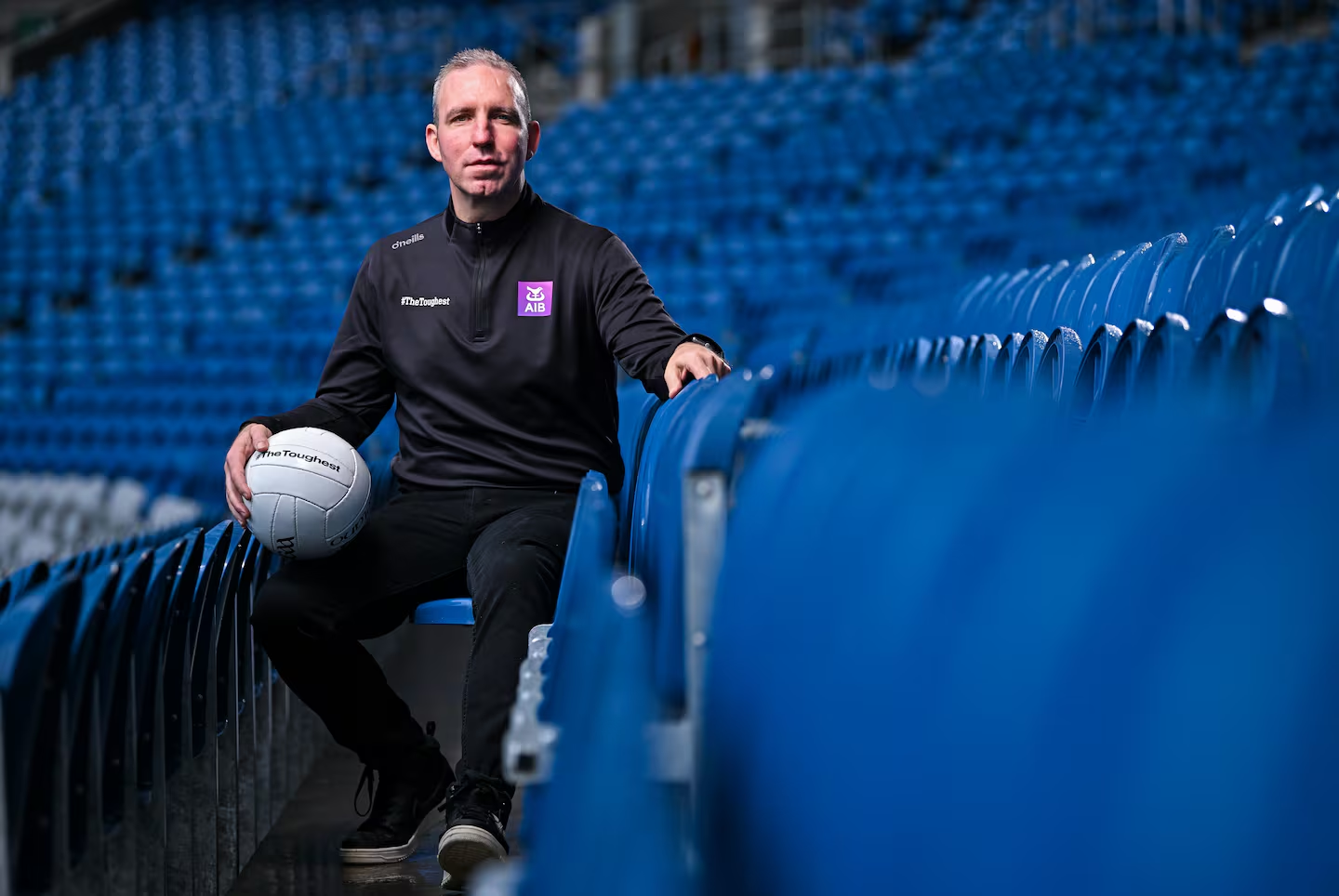
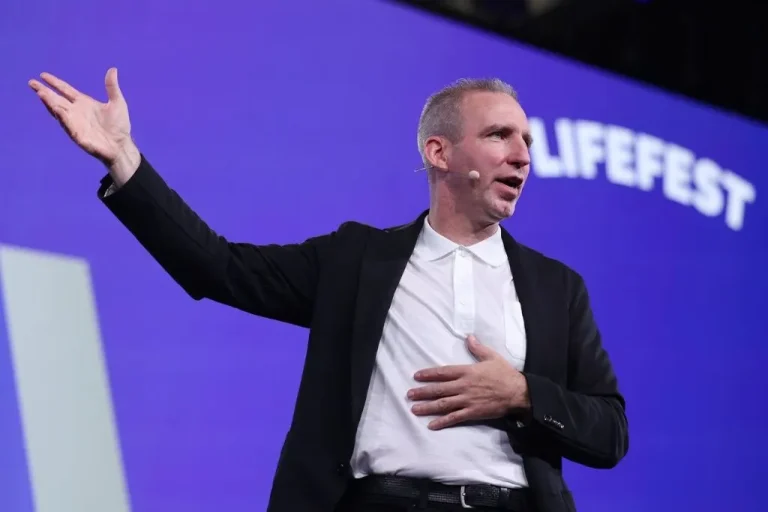
An Enda McNulty keynote session isn’t a speech. It’s built around the objective you set rather than a fixed talk, and no two sessions are ever the same. It draws on lessons from elite sport, from winning an All-Ireland with Armagh to working alongside international rugby players and Olympians, and from more than two decades with global businesses. The delivery is honed by thousands of hours in front of a combined audience of more than 20,000 people across 50 countries, covering leadership, resilience, managing change, growth mindset, high performance teams, culture and wellbeing. The aim every time is the same: challenge the room, raise the standard, and send people out committed to performing at a higher level.
Sessions run live at your event or online for globally dispersed teams, and can be built into a wider corporate event or leadership offsite. To talk through your audience, your objective and which format suits, get in touch, call +353 1 535 2236 or email hello@mcnultyperformance.com.